
What Actually Drives Performance in 2026
Last year’s Black Friday/Cyber Monday playbook needs more than a refresh, it needs a rewrite.
Performance during this promotional period has fundamentally shifted. Between Meta’s overhauled ad architecture, Google’s feed-first AI shopping ecosystem, and cautious consumers who research purchases weeks in advance, standard holiday playbooks won’t cut it. Winning Q4 is no longer about who can outbid the competition in mid-November, it’s about who builds the most resilient, well-prepared marketing machine ahead of time.
1. Start Early
This has been, and always will be, our top Black Friday advice. What gets front-loaded matters more than when the season starts:
- Tracking that’s actually clean: Primary and secondary conversions configured correctly, server-side tagging live, Enhanced Conversions active, and Meta’s Conversions API passing verified events.
- A feed that’s already audited: Merchant Center hygiene is a pre-sale workstream now, not a Q4 afterthought.
- A creative production calendar built for volume: A small, polished creative set becomes a bottleneck within 48 hours of scale.
- A promo calendar everyone is aligned on: Offers, creative assets, and budget pacing should all be built around one synchronized plan.
- A contingency plan: Budgets shift, competitors undercut a promo, or a campaign underperforms on day one. Teams with pre-approved backup assets and budget pivots win.

2. Creative Iteration in the Andromeda Era
Meta’s ad delivery system changed more this year than in the last several combined, and it directly affects how far a BFCM budget will stretch. Meta didn’t just tweak its system; it completely replaced it with three interconnected AI models:
- Andromeda: Decides which ads are even eligible to compete, narrowing tens of millions of candidate ads down to a shortlist before auctions begin.
- Lattice: Handles the actual ranking, learning across every objective, user behavior signal, and placement simultaneously.
- GEM: Meta’s generative multimodal model that sits in the ranking layer and powers AI creative adaptations.
What does this mean for BFCM performance?
- Diversity beats polish: Each genuinely distinct creative gets its own shot at retrieval. Thirty near-identical product shots will compete against each other; thirty distinct hooks, formats, and angles unlock separate auction pools.
- Fatigue happens faster: While standard campaigns might run for weeks, high spend pacing during peak BFCM burns through audiences in 3 to 7 days.
- Broad targeting is winning: Meta’s system matches on creative resonance more than rigid audience definitions. Let your creative do the targeting.
- Patience is a competitive advantage: Frequent edits reset the learning phase and interrupt pattern recognition. Resist the urge to micro-manage ad sets mid-sale.
3. Feed Management Is Infrastructure, Not Housekeeping
A product feed used to be a Google Shopping input. In 2026, it’s closer to a storefront. Merchant Center now fuels far more than Shopping ads and Performance Max; AI Overviews and Gemini pull from the same structured product data.
That raises the bar on feed hygiene:
- Unique identifiers (GTINs) are non-negotiable: Products without GTINs are excluded from Performance Max and high-intent Google surfaces.
- Inventory and pricing need to be near real-time: Ideally within a fifteen-minute window. Broken stock states during BFCM waste budget instantly.
- Attribute completeness drives visibility: Full attributes (material, color, sizing, lifestyle category) outperform sparse ones.
- Custom labels earn their keep before the sale: Tagging margin bands, discount tiers, and holiday bestsellers allows you to dynamically allocate budget where profitability is highest.
4. Channel Mix: Funnel Role Over Platform Loyalty
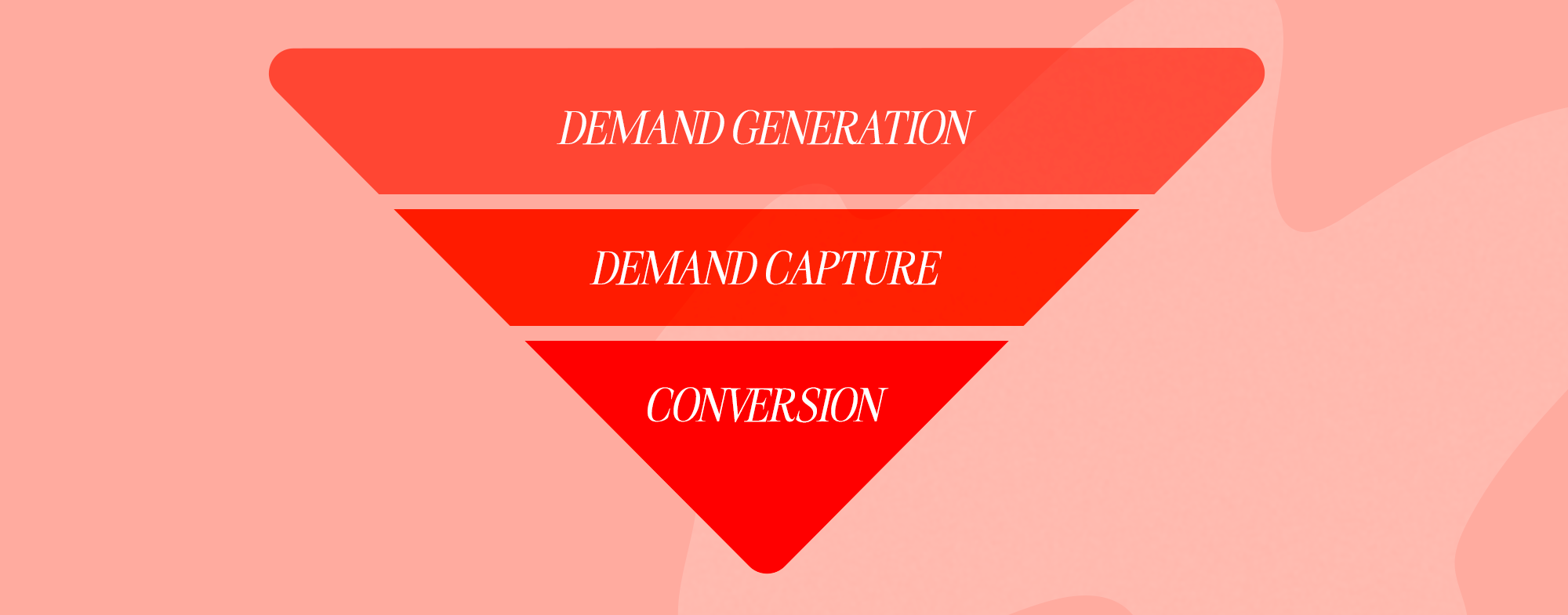
The channel conversation has shifted from “which platform” to “which job it’s doing” during BFCM:

- Demand Generation (TOF): Builds awareness among people who don’t know they need you yet. Video-first placements like Reels, YouTube Shorts, and TikTok.
- Demand Capture (MOF): Meets people who already have intent. Google Search, Shopping, and comparison ads capturing high-intent gift seekers.
- Conversion (BOF): Closes the loop on warm shoppers. Dynamic retargeting ads, SMS, and cart abandonment flows.
5. Attribution: Stop Chasing One Source of Truth
Attribution during BFCM is messy. Platform-reported ROAS will always claim overlapping credit. The winning framework balances:
- Platform signals: Used for real-time tactical steering and bid adjustments.
- Pre-promo intent indicators: Add-to-cart velocity and checkout starts in early November to measure demand buildup.
- Blended ROAS / MER: Your overall north-star metric to ensure your total ad investment generates profitable cash flow.